
You can afford it.
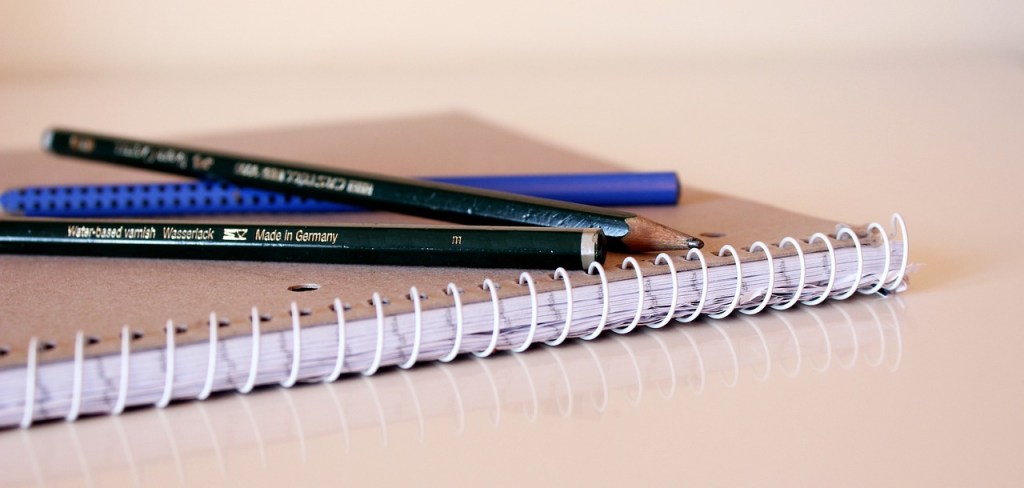
You can plan in anything, including a spiral notebook from the 99 cent store. This community can often suck you in and make you feel like you need an entire desk full of fancy paper and pens, washi tape, stickers, stamps, the list goes on. Those things are fun for sure, but you can have A LOT of fun with just a paper an pen. That’s one of the cool things to come from the Bujo movement, which encourages DIY layouts suited to your needs.
It matches the pace of your life.
There are lots of little things that separate different planner layouts, but core to any given planner is cadence. Is it a monthly planner, weekly, or daily? Does it give you the ability to zoom out and see an entire year at once, or a quarter at a glance? You will find that if you integrate a planner into your life, it’s only going to enhance your life if it matches your timing needs. Ask yourself: do you naturally ‘reset’ on a daily, weekly or monthly basis? When do you find yourself thinking about the next tranche of things you need to do?
For some, this is dictated by work—their teams work in weekly sprints, they have weekly team meetings, etc. For some, there is so much going on every single day, that they can fill an entire page just with their checklist for that day. Others have lives that revolve around strict hour by your scheduling, and they need to lay their weeks out in a linear way to visualize how their time is getting spent. And still others have a lot of random appointments filling up days throughout the months and they need to be able to visualize several weeks at a time.

It works with your preferred tools/medium.
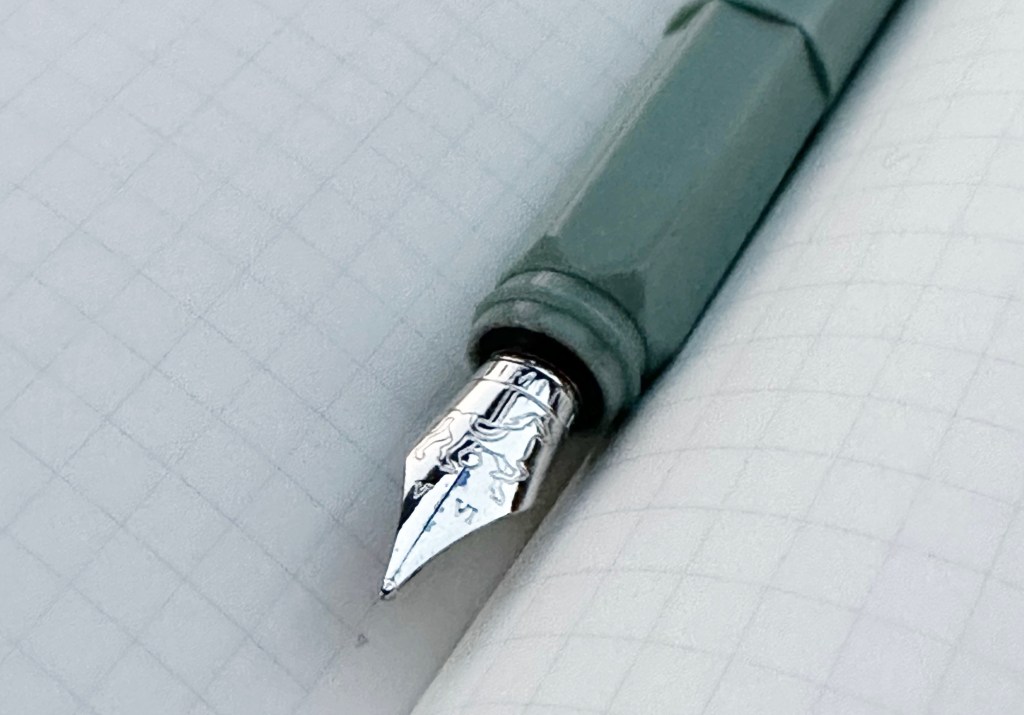
Some folks need a very specific kind of planner to match their chosen writing instruments or art medium. If you’re using a ballpoint, gel, or felt tip pen, anything works. If you’re using fountain pens or water color, you’ll need paper that can handle the inks and paints you use.
It’s as mobile (or not) as you are.
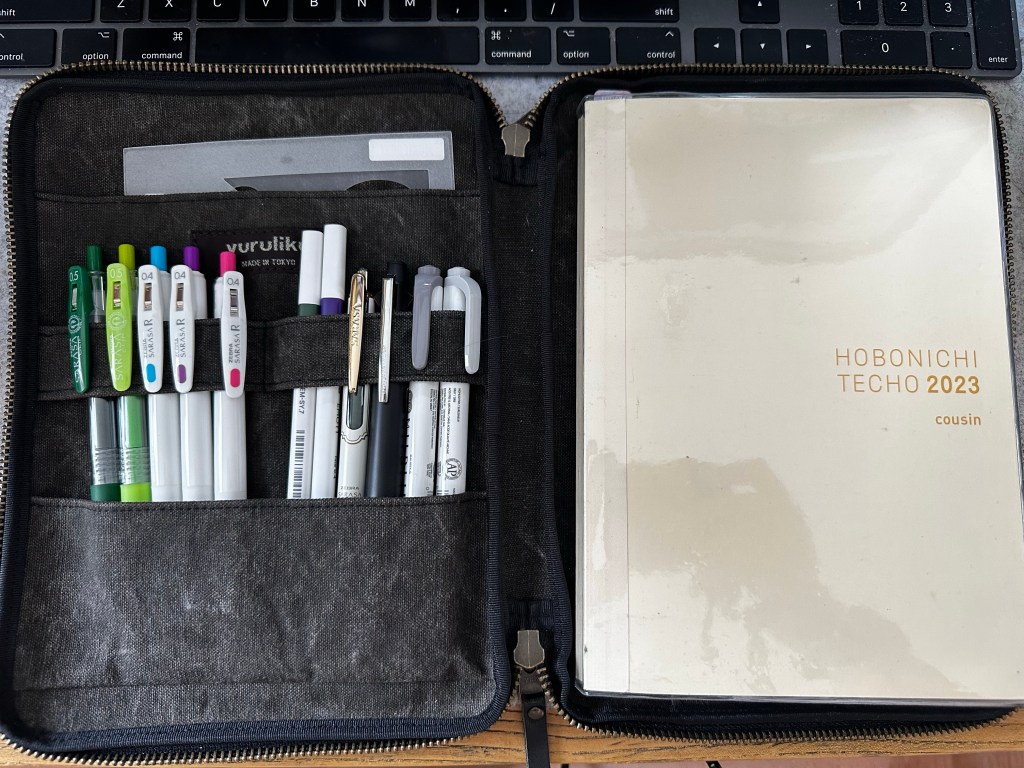
Some people are always on the go and need to carry their planners everywhere. Some like having a stationary artifact on their desk that they can walk up to and update as needed. People also have different tolerance levels for weight and space taken up in their bags, etc. Therefore you’ll find the size and weight of your planner, and even the specific dimensions (is it small and thick or large and thing?) will have a big impact on whether or not you use your planner.
It has enough structure to inspire you.
The the main part of the planner you work in may be blank, lined, dotted or printed with a grid. These styles play a big role in how free you feel on the page, and they don’t all have the same effects on the same people. For some people, a blank page is necessary because they need total freedom, perhaps to draw. For others, blank paper can be paralyzing. While you might intuitively think grid paper is most restrictive, you might find that lined paper forces horizontal writing and fixes your spacing in a way grid paper doesn’t.
The best way to determine which is right for you, if you don’t already know, is to try them out in loose sheets or in some blank notebooks and see how they feel.

 Ask a Planner Nerd